“Oncology nursing is so unique because of the depth and breadth of what we do. It is truly unlike any other specialty. We’re not only administering treatments; we’re navigating complex care, coordinating across multiple specialties, managing symptoms, educating patients, and supporting families.”
Jessica MacIntyre, DNP, Executive Director of Clinical Operations, Sylvester Comprehensive Cancer Center at the University of Miami
According to the CDC, more than 1.6 million Americans are diagnosed with cancer, and more than 600,000 die from it each year. Cancer is the second leading cause of death in the United States, just behind heart disease. The most common types of cancer are breast, prostate, and lung. Each person who is diagnosed with cancer will need specialized care from a knowledgeable oncology team that includes physicians, nurses, and technicians.
Oncology nurses are registered nurses who work with cancer patients or patients at risk of developing cancer. They have either received on-the-job training in oncology or completed additional education programs or both. All oncology nurses are licensed RNs who have completed either an associate of science in nursing (ASN) or a bachelor’s of science in nursing (BSN). Some nurses may even have a master’s of science in nursing (MSN).
Oncology nursing-specific education can include an advanced degree, such as an MSN or doctor of nursing practice in oncology, a post-graduate certificate, or continuing education coursework in oncology.
Nurses who work in oncology have unique expertise in cancer prevention, diagnosis, and treatment. They are the healthcare providers that will likely spend the most time with patient,s educating them about their risks or diagnosis, administering radiation and chemotherapy, providing palliative care, and monitoring vital signs. They typically have a high level of compassion and empathy as well as a keen ability to handle emotionally stressful situations.
Registered nurses, including oncology nurses, are in high demand, with an estimated 5 percent increase in jobs anticipated nationwide between 2024 and 2034 (BLS 2025). This translates into over 166,100 new jobs in this field. Most of this growth is due to the aging Baby Boomer generation placing an increased demand on the healthcare system and simultaneously retiring from the workforce.
Use the guide below to learn more about this compassionate profession, including top degree programs, typical job duties, required licenses, and optional certifications.
Meet the Expert: Jessica MacIntyre, DNP, MBA, APRN, AOCNP
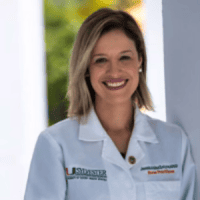
Dr. Jessica MacIntyre serves as executive director of clinical operations and as a nurse practitioner at the Sylvester Comprehensive Cancer Center at the University of Miami. A dual graduate of Johns Hopkins University with a doctor of nursing practice and an MBA, she brings more than 20 years of oncology experience to her leadership and clinical roles.
Dr. MacIntyre oversees a wide portfolio of services, including cancer support and prevention programs, survivorship initiatives, the phase I research clinic, and the advanced practice providers who deliver care across these areas. Her scholarly work includes publications on gastrointestinal cancers and advanced practice nursing, and she is a frequent speaker on patient navigation, survivorship, and supportive oncology care.
She co-founded and directs Florida’s first Oncology Nurse Practitioner Fellowship Program and established the Sylvester Patient Family Advisory Council to strengthen patient-centered care. She also serves on the Board of Directors for the Oncology Nursing Society, contributing to national leadership in oncology nursing.
HealthcareDegree.com: What do you wish people understood about oncology nurses?
Dr. MacIntyre: Oncology nursing is so unique because of the depth and breadth of what we do. It is truly unlike any other specialty. We’re not only administering treatments; we’re navigating complex care, coordinating across multiple specialties, managing symptoms, educating patients, and supporting families. We walk with patients through some of the most vulnerable and defining moments of their lives.
What makes oncology nursing even more exciting is the diversity of roles available. There are countless paths you can take. From prevention and education to bedside care, ambulatory clinics, research, navigation, survivorship programs, and leadership positions, the opportunities are endless. No matter your interests or strengths, there’s a place for you to make an impact in oncology care.
One of the most meaningful aspects of our work is the connection we build not only with patients but also with their families. We become part of their circle, answering questions, easing fears, helping them make sense of overwhelming information, and holding space for their hopes and worries. Those relationships often last across the entire cancer continuum, from diagnosis through treatment, survivorship, or end-of-life care. The impact of an oncology nurse is felt long after a single encounter. I often hear how so many patients and families always remember the name of their oncology nurse and the compassion, clarity, and presence they provided.
Oncology nurses also blend highly technical clinical expertise with an extraordinary level of compassion. The emotional, physical, and cognitive demands are immense, but so is the privilege of being trusted during some of the most difficult and sacred moments in someone’s life.
HealthcareDegree.com: What advice would you give to aspiring oncology nurses?
Dr. MacIntyre: Stay curious, stay compassionate, and stay connected. Oncology evolves rapidly, with new treatments and evidence emerging all the time, so commit to lifelong learning. Don’t hesitate to ask questions or lean on your team. Collaboration is one of the greatest strengths in this specialty.
Get involved in professional organizations like the Oncology Nursing Society (ONS). ONS local chapters offer community, mentorship, and access to experts who can help you grow both clinically and professionally. As a new oncology nurse, I also loved attending the ONS Annual Congress. It made me feel part of something bigger and always left me re-energized to continue the important work I was doing.
Most importantly, take care of yourself. This work is incredibly meaningful but can be emotionally heavy, especially when navigating end-of-life care or difficult outcomes. Build healthy habits, find supportive colleagues, and give yourself space to process. Your well-being ensures you can continue to care deeply for others.
HealthcareDegree.com: What is your favorite thing about being an oncology nurse?
Dr. MacIntyre: My favorite part of being an oncology nurse is being part of a cancer patient’s journey. To witness moments of courage, comfort, and resilience from patients, their families, and caregivers is an incredible honor. Even on the hardest days, you know your work genuinely makes a difference. The relationships we form with patients, families, and colleagues are unlike anything else in nursing, and I still love hearing from patients I cared for, even years later.
Oncology nursing also offers the opportunity to be part of the transformation of cancer care. Reflecting on how far we’ve come in the last 25 years since I started, I am inspired knowing that, together, we are working toward a hopeful future, and ultimately, a cure. It’s a field filled with resilience, humanity, and hope, and being part of someone’s story in such a meaningful way is truly a privilege.
Oncology Nurse Specializations & Degree Types
Oncology nursing is a specialty within nursing. To work in this field, students must complete nursing school and obtain a license to practice as registered nurses in their state. The three main degrees for registered nurses are an associate of science in nursing (ASN), a bachelor’s of science in nursing (BSN), or a master’s of science in nursing (MSN).
Increasingly, employers require job applicants to have at least a BSN in order to be qualified to work for them.
Admissions Requirements for Oncology Nurse Programs
Admission requirements for nursing programs vary based on the level of education pursued. Initial nursing programs, such as an ASN or BS,N typically require prerequisite coursework in science, anatomy and physiology, math, and medical terminology. More competitive programs may require applicants to have a minimum GPA or have previous healthcare volunteer or work experience.
Master’s of science (MSN) in nursing programs admission requirements typically start with having already earned a bachelor’s degree, most often in nursing, but can sometimes be in a related field. Other requirements include letters of recommendation, a statement of purpose, a minimum undergraduate GPA, and work experience, often in oncology.
Oncology Nurse Program Accreditation
Nursing students must ensure the program they are attending is accredited. Accreditation assures employers, patients, licensing bodies, and certification entities that the program a student has completed meets a minimum standard of quality in curriculum, facilities, and faculty.
The two central accrediting bodies for nursing programs are the Commission on Collegiate Nursing Education (CCNE) and the Accreditation Commission for Education in Nursing (ACEN).
On-Campus Oncology Nurse Degree Programs
Columbia University – School of Nursing
Nurses who want to advance their education and work as nurse practitioners can complete the doctor of nursing practice (DNP) program at Columbia University School of Nursing. This program offers a subspecialty in adult or pediatric oncology for those aspiring to work with cancer patients. Upon completing this program, graduates will have the skills to perform cancer risk assessments, diagnose cancers, develop screening and prevention strategies, and coordinate palliative care for patients in the end stages of cancer.
This is a two-and-a-half-year-long in-person program. Students must complete all general doctor of nursing practice coursework, as well as four specialized classes in oncology and cancer management. There is an optional oncology clinical placement for students who want to gain hands-on experience. To be considered for admission to this program, candidates must have a bachelor’s or master’s in nursing and a current registered nurse license in the state of New York.
- Location: New York, NY
- Duration: Two-and-a-half years
- Accreditation: Commission on Collegiate Nursing Education (CCNE)
University of North Carolina at Chapel Hill – School of Nursing
The University of North Carolina at Chapel Hill School of Nursing offers a traditional on-campus bachelor’s of science in nursing (BSN) degree. This program consists of the final two years of the undergraduate degree. Students must complete prerequisites and general education requirements before enrolling in this program. Admissions are competitive, so applicants should strive for a high GPA and strong extracurricular activities.
Aspiring oncology nurses at UNC can apply for the Oncology Nursing Fellowship Program. This competitive fellowship is awarded for the final year of the program. It provides students with the opportunity to participate in oncology panel discussions, join the Oncology Nursing Society at no cost, attend oncology meetings, and complete an evidence-based cancer project to present after their course. Funds awarded for the fellowship can also be used to purchase materials or access resources that will strengthen a student’s understanding and passion for cancer.
- Location: Chapel Hill, NC
- Duration: Two years
- Accreditation: Commission on Collegiate Nursing Education (CCNE) and Southern Association of Colleges and Schools Commission on Colleges
Villanova University – M. Louise Fitzpatrick College of Nursing
The traditional bachelor’s of science in nursing at Villanova University is a four-year program that prepares students to start their nursing careers. This is a community-oriented program with a strong emphasis on mentorship, leadership, and research. Students who attend this program benefit from the prestige of having been named a Center of Excellence in Nursing Education by the National League for Nursing. There are many options to pursue additional interests, including a global studies minor and extensive research opportunities.
Ambitious students pursuing a career in oncology nursing can apply for the Susan D. Flynn Oncology Nursing Student Fellowship Program. To be eligible, students must be entering their senior year of nursing school. If selected, students will participate in an eight-week paid oncology internship at the Hospital of the University of Pennsylvania.
At the end of the program, participants must also present an evidence-based practice project on a chosen oncology-related topic.
- Location: Villanova, PA
- Duration: Four years
- Accreditation: Commission on Collegiate Nursing Education (CCNE)
Yale University – School of Nursing
Students who are completing the master’s of science in nursing at Yale University School of Nursing can choose a concentration in oncology in addition to their required coursework. In order to elect this concentration, students must be in the adult/gerontology acute care nurse practitioner, adult/gerontology primary care nurse practitioner, and family nurse practitioner specialties. Graduates of this concentration will be prepared to work as advanced nurse practitioners in oncology.
Required coursework for this concentration includes principles of advanced oncology practice, principles of advanced oncology practice, and advanced management of clinical problems in oncology. All students are also required to complete a clinical practicum in oncology. Overall there is a strong emphasis on clinical competence and nursing scholarship. Due to the prestige of completing Yale Nursing School, employers actively recruit graduates from this program.
- Location: New Haven, CT
- Duration: Two years
- Accreditation: Commission on Collegiate Nursing Education (CCNE)
Online or Hybrid Oncology Nurse Degree and Education Programs
All interested nurses can work in oncology as long as they secure work in an oncology-related department or clinic. However, formal education and training can help nurses obtain entry-level work in oncology.
The Oncology Nursing Society (ONS) offers online courses, podcasts, articles, and webinars for nurses already working in the field and for those interested in pursuing this field. The online learning resources can be completed to gain skills for work in oncology nursing or to earn continuing education credits to maintain nursing credentials.
All ONS resources are available to everyone, though courses with an associated cost are discounted for ONS members.
- Location: Pittsburgh, PA
- Duration: Varies
- Accreditation: American Nurses Credentialing Center’s (ANCC)
University of Pennsylvania – School of Nursing
Graduate nursing students or practicing advanced practice nurses can complete the online or hybrid adult oncology specialty certificate at the University of Pennsylvania School of Nursing.
This certificate consists of three classes and 250 clinical hours and prepares students to expertly work with adult oncology patients in a variety of settings. The three required courses are advanced practice nursing for oncology care, advanced practice nursing for oncology care, and oncology nursing: assessment, diagnosis, & cancer management.
If students want to fulfill the clinical hour requirements at their place of employment, they need to be aware that they cannot receive compensation for any hours they earn academic credit. This means all clinical hours completed must be unpaid. Nurse practitioners who have been working in oncology for some time can submit a portfolio demonstrating competence and clinical experience in lieu of completing the required hours.
- Location: Philadelphia, PA
- Duration: Three courses plus 250 clinical hours
- Accreditation: Commission on Collegiate Nursing Education (CCNE)
Loyola University Chicago – Marcella Niehoff School of Nursing
Clinical nurse specialists or advanced practice nurses can complete an online oncology certificate through the Loyola University Chicago Marcella Niehoff School of Nursing. Students in this certificate program will gain advanced clinical and nursing assessment skills to serve oncology patients and their families better.
One unique aspect of this program is that it is available to nurses with bachelor’s degrees and master’s degrees alike. Most certificate programs are only open to nurses with advanced degrees. However, applicants must already have clinical experience in oncology, usually through prior employment. Only three courses are required for the certificate, and they are cancer biology and epidemiology, palliative/supportive management, and diagnostic and therapeutic approaches.
- Location: Chicago, IL
- Duration: Nine semester-credits for the certificate
- Accreditation: Commission on Collegiate Nursing Education (CCNE)
Utah Valley University – College of Health and Public Service
Nurses who have already completed an associate’s degree can pursue their bachelor’s of science in nursing online at Utah Valley University College of Health and Public Service. This two-year distance-learning program is designed to help nurses advance their careers without quitting their jobs or relocating. Classes are offered asynchronously so students can complete them when it is convenient for them, instead of having to attend lectures on a set schedule. If a student is located near the campus, they can complete this program in a hybrid format, attending some on-campus classes.
This program does not meet licensure requirements in every state, so students should do their due diligence prior to enrolling to ensure they will have the qualifications to practice in their state. Most students complete this program in two years, though a part-time option can take longer.
As part of this program, students will need to complete clinical experiences in their home community. Aspiring oncology nurses should ensure their clinicals are in cancer-related care.
- Location: Orem, UT
- Duration: Two years
- Accreditation: Accreditation Commission for Education in Nursing (ACEN)
Winship Cancer Institute of Emory University (Hybrid)
Winship Cancer Institute at Emory University offers a hybrid comprehensive oncology-nurse training program aimed at preparing new and transitioning nurses for the specialized demands of cancer care. The program emphasizes curriculum, clinical skills, and professional development so nurses can deliver high-quality care to cancer patients and their families.
Required components of the training include a hybrid structure: online orientation modules via the Oncology Nursing Society (ONS), plus 32 hours of in-person classes and hands-on skills practice. The program also incorporates regular debriefings and mentorship, culminating in a final session focused on professional development in oncology nursing. New cohorts begin three times a year (winter, spring, summer, fall), ensuring timely entry.
- Location: Atlanta, GA
- Duration: One year
- Accreditation: American Nurses Credentialing Center (ANCC)
How Long Does it Take to Become an Oncology Nurse?
All oncology nurses must first become registered nurses and then complete additional oncology experience or education. Nursing education takes 2 to 4 years to complete, while the additional education and training range from a few months to 2 or more years.
How To Become an Oncology Nurse – Step-by-Step Guide
Step 1: Graduate from High School or Complete a GED (Four Years)
The first step in a career as an oncology nurse is to earn a high school diploma or a GED as this is a requirement for most nursing programs. Students should focus on college-preparatory classes to help them prepare for the rigors of higher education. Classes such as health, biology, math, and physics are also essential for developing a strong foundation.
Step 2: Complete a Nursing Program (Two to Four Years)
There are two primary options for nursing degrees: an associate of science in nursing (ASN) or a bachelor’s of science in nursing (BSN). The associate degree takes two years on average, while a bachelor’s takes four. Aspiring oncology nurses should strongly consider a bachelor’s degree progra,m as this can prepare them for additional education.
Step 3: Pass State Required Test (Timelines Vary)
Requirements to become a registered nurse vary by state. While earning an ASN or BSN, students should contact their state’s board of nursing to learn the qualifications required to obtain a nursing license.
While some requirements may vary from state to state such as education and clinical experience, all states require candidates to take the National Council Licensure Examination (NCLEX) offered by the National Council of State Boards of Nursing (NCSBN).
Step 4: Apply for State Licensure (Timelines Vary)
Once a candidate has established eligibility for nursing licensure and passed the NCLEX, they can apply to their state board for licensure. Timelines vary based on the processing time of each state.
Step 5: Obtain Entry-Level Work in Oncology (Timelines Vary)
Once licensed as a registered nurse, aspiring oncology nurses can apply for entry-level oncology positions. Additional certification and education can be helpful, but are not required to work in this field. Oncology nurses work in hospitals, clinics, and outpatient centers.
Step 6: Earn an Oncology Nurse Certification or Pursue Additional Education (Optional, Timelines Vary)
Oncology nurses who want to complete additional formal education in this field can complete a certificate, master’s, or doctoral program. These programs vary in length and can be completed on campus or online through distance learning. Additionally, to demonstrate a high level of competency in this field, oncology nurses can earn a certification through the Oncology Nursing Certification Corporation (ONCC). More details can be found in the certification and licensing section below.
What Do Oncology Nurses Do?
Oncology nurses care for cancer patients in hospitals, outpatient care centers, clinics, private practices, and long-term care facilities. Day-to-day duties vary based on the place of employment, but typical tasks include:
- Providing one-on-one care to patients with cancer
- Administering medications, chemotherapy, and radiation treatments per the physician’s orders
- Monitoring patient vital signs and well-being
- Assisting patients with managing pain and discomfort from cancer and treatments
- Educating patients and their families
- Maintaining careful records
- Communicating with physicians and other members of a patient’s care team
- Assisting patients with referrals to other care providers when necessary
Oncology Nurse Certifications & Licensure
All nurses must obtain a license to practice from their state’s nursing regulatory body. Requirements for licensure vary but typically involve passing an exam such as the National Council Licensure Examination (NCLEX), completing at least an associate’s degree in nursing, and passing a background check and drug test.
Oncology nurses can earn the Oncology Certified Nurse (OCN) voluntary certification through the Oncology Nursing Certification Corporation (ONCC). Earning the OCN certification provides professional credibility to oncology nurses. To be eligible, nurses must have:
- An unencumbered license
- Two years of work experience as an RN
- At least 2,000 hours of clinical experience in oncology
- Earn ten hours of continuing education in oncology or an academic elective in oncology nursing within the three years (36 months) prior to application
Once eligibility has been established, candidates can sit for the OCN exam. This test consists of 165 questions that must be answered in three hours. Topics covered include:
- Care continuum
- Oncology nursing practice
- Treatment modalities
- Symptom management and palliative care
- Oncologic emergencies
- Psychosocial dimensions of care
How Much Do Oncology Nurses Make?
The Bureau of Labor Statics (BLS May 2024) lists salaries for all nurses but doesn’t differentiate by specialty. The 3,282,010 registered nurses in the US earn $98,430 per year on average. This is the latest data available as of December 2025. The percentiles for wages are:
- 10th percentile: $66,030
- 25th percentile: $78,610
- 50th percentile (median): $93,600
- 75th percentile: $107,960
- 90th percentile: $135,320
Oncology Nurse Career Alternatives
Here are a few alternatives to a career as an oncology nurse.
Become a Nutritionist or Registered Dietitian
Nutritionists and registered dietitians help patients decipher their nutrition needs. To do so, they can order diagnostic tests and have patients track their daily food intake and how they feel. Once they have the results of the tests, nutritionists and dieticians can craft a plan to help patients achieve their long-term health goals through food.
- Typical Education: Master’s degree
- Licensing or Certifying Organization: Commission on Dietetic Registration
Become a Registered Respiratory Therapist
Registered respiratory therapists are experts in all things related to breathing. They help patients with acute respiratory issues as well as those with chronic breathing problems. Not only can they perform diagnostic tests, but they can also administer breathing treatments, set and monitor ventilators, and intubate patients.
- Typical Education: Associate or bachelor’s degree
- Licensing or Certifying Organization: National Board for Respiratory Care (NBRC)
Become a Nurse Case Manager
Navigating the medical care system can be extremely complicated, especially for patients with complex medical needs, which is why there are trained nurse case managers to help them. Nurse case managers are registered nurses who are experts in the nuances of healthcare, including insurance, specialists, referrals, and treatments.
- Typical Education: Bachelor’s degree
- Licensing or Certifying Organization: American Case Management Association (ACMA)
Kimmy Gustafson
WriterAt HealthcareDegree.com, Kimmy Gustafson has delivered in-depth and insightful articles since 2019, aiding prospective students to navigate the complexities of choosing the right healthcare degree. Her recent work includes topics such as the ethics of gene editing and physician assistant’s fight for autonomy.
Kimmy has been a freelance writer for more than a decade, writing hundreds of articles on a wide variety of topics such as startups, nonprofits, healthcare, kiteboarding, the outdoors, and higher education. She is passionate about seeing the world and has traveled to over 27 countries. She holds a bachelor’s degree in journalism from the University of Oregon. When not working, she can be found outdoors, parenting, kiteboarding, or cooking.